Mobile, video and out-of-home campaigns across retail, banking, telecoms and entertainment. Every case shows what was measured, what it was measured against, and the steps that produced it.
Case studies by industry
Switzerland · 2024
Grocery retail case: same fence, a new offer every week
Geo-fenced mobile display for a premium grocery retailer, bought on guaranteed viewability.
1.8×Benchmark CTRCTR above 0.35% against a 0.20% Swiss mobile display benchmark
Adello DSP
Read the caseClose
Background
The retailer has a different promotion every week and stores all over Switzerland. We drew a digital fence around every store and showed the current week's deal only to phones inside those fences.
On top of the location we added an audience filter, so the ads went to shoppers who buy on quality rather than on price. The retailer paid only for ads that were fully visible on screen. Those ads were clicked roughly 1.8 times as often as the Swiss average for this kind of campaign.
Click-through rate against the benchmark
This campaignabove 0.35%
Swiss mobile display benchmark0.20%
1M+Viewable impressions
100%Paid impressions seen
1.8×vs benchmark
Benchmark basis: Adello's Swiss mobile display average for comparable retail campaigns.
What the budget paid for
100%of paid impressions were fully on screen
Bought on vCPM: the retailer was billed for viewable impressions only.
Campaign setup
🏢Client
Premium grocery retailer, Switzerland
🎯Goal
Promote weekly deals to premium shoppers and bring them into stores
👥Audience
25–55, Switzerland
📆Run time
Recurring weekly flights, 2024
🌍Market
Switzerland · CHF
🧩Product
Adello DSP, managed service
How the audience was found
📍A digital fence around each store in the retailer's network
👥An audience layer of premium, less price-sensitive shoppers, built from affluence, interest and behaviour data
👁️A viewability floor: only fully visible impressions were bought and billed
Ad formats used
Mobile displayBanner and rectangle unitsStandard mobile placements inside apps and mobile sites
01Every store was mapped and fenced, so ads reached only phones inside those areas.
02The premium audience layer was added on top, filtering out shoppers outside the target group.
03Inventory was bought on vCPM with a viewability floor, so budget went to ads that were actually seen.
04Each week the creative changed with the deal cycle while the fences stayed in place.
What we learned
👁️Paying only for fully viewable ads shrank the available inventory and did not hurt engagement. That set still delivered 1.8× the benchmark CTR.
🔁Keeping the fences fixed and rotating the offer meant the audience stayed constant while the message changed weekly.
Terms used on this page
Geofence
A drawn boundary on the map. Ads reach only phones inside it.
vCPM
Price per thousand ads that were actually visible on screen, rather than merely served.
CTR
Click-through rate: the share of ads shown that got clicked.
Is this your situation?
You run recurring promotions from a physical store network and want premium reach with a viewability guarantee.
The full case study names the client. Request it and our sales team sends the named version with the complete figures, the creatives and the media plan behind the result.
FMCG case: the ad only ran when the grill weather did
Weather-triggered geo-fencing for an FMCG grill range sold through a national grocery chain.
1.5×Benchmark CTRCTR above 0.30% against 0.20%, delivered only on warm, sunny days near stores
Adello DSP
Read the caseClose
Background
People buy grill products when the weather is good and they are near a shop. So the campaign was switched on by the weather: ads appeared only when it was at least 23 °C and sunny, and only within about 250 metres of a store that stocks the range.
On cool or rainy days nothing was spent. That restriction cut the volume but raised relevance, and the ads were clicked about 1.5 times as often as the Swiss average.
Click-through rate against the benchmark
This campaign, weather-gatedabove 0.30%
Swiss mobile display benchmark0.20%
200k+Viewable impressions
100%Paid impressions seen
1.5×vs benchmark
Benchmark basis: Adello's Swiss mobile display average for comparable FMCG campaigns.
All three had to be true at once
☀️≥ 23 °CTemperature
🌦️SunnySky
📍250 mDistance to a store
If any one condition dropped away, delivery stopped.
Campaign setup
🏢Client
Food brand with a seasonal grill range, sold through a national grocery chain
🎯Goal
Drive consideration and sales close to the point of purchase
👥Audience
18–55, Switzerland
📆Run time
Grill season 2025
🌍Market
Switzerland · CHF
🧩Product
Adello DSP, managed service
How the audience was found
📍A fence of roughly 250 metres around each store of the retail partner
☀️A weather trigger: delivery only at 23 °C or above with a clear sky, checked per store location
📰A premium publisher list
👁️A viewability floor, so only ads that appeared on screen were billed
Ad formats used
Half-page300×600Large vertical unit on premium apps and mobile sites
01The trigger was defined with the client: a temperature threshold plus a clear-sky condition, checked for each store location.
02Delivery was gated so ads served only while both conditions held inside the 250 metre fence.
03Inventory was limited to premium publishers and bought on vCPM.
04Spend followed the forecast, with no delivery on cool or rainy days.
What we learned
🌦️Volume depends on the weather. The 200k+ viewable impressions landed on warm days, so budget and flight length have to be planned around the forecast with a reserve for a cool spell.
🎯Conditional delivery lifted CTR by half against the unconditional benchmark. The relevance came from timing and place.
Terms used on this page
Weather targeting
A rule that starts and stops ad delivery based on live local weather.
Geofence
A drawn boundary on the map. Ads reach only phones inside it.
Viewable impression
An ad that actually appeared on screen, not just one that was sent.
Is this your situation?
Demand for your product follows an outside condition — temperature, rain, pollen, snowfall — and you sell through a retailer network.
The full case study names the client. Request it and our sales team sends the named version with the complete figures, the creatives and the media plan behind the result.
Retail case: did the poster actually bring people in?
Out-of-home posters plus mobile ads, with store visits measured across two Swiss locations.
10%+More store visitsVisitors who saw the ads against a matched group who did not, over three weeks
OOH × Mobile
Read the caseClose
Background
Posters are hard to measure. You know how many people walked past, not how many walked in.
Here the phones that passed the poster sites became the audience for the mobile campaign, and store visits were then counted for two groups: people who had seen the advertising and people who had not. The exposed group visited over 10% more often. Running it across two very different stores also showed where the effect is strongest.
Store visits, indexed to the unexposed group
Saw the advertisingindex 110+
Did not see it (control group)index 100
2Stores measured
3Weeks
10–12 kmCatchment radius
Benchmark basis: a control group of store visitors with no ad exposure in the same three weeks.
When people actually came in
00:0006:0012:0018:0024:00
Visits peaked between 18:00 and 20:00 at both stores, in line with after-work shopping.
Campaign setup
🏢Client
Retailer, Switzerland; two stores in the French-speaking region, one urban and one small-town
🎯Goal
Measure the store-visit effect of posters plus mobile, and see who passes the poster sites
👥Audience
18+, residents and passers-by within 10–12 km of each store
📆Run time
3 weeks, December 2023 (pre-Christmas)
🌍Market
Switzerland · CHF
🧩Product
OOH × Mobile: DSP delivery plus store-visit measurement
How the audience was found
📍A fence of 10 km around the first store and 12 km around the second
🖼️Poster exposure: phones detected near the poster sites became the audience for the mobile ads
📊Store-visit measurement comparing exposed and unexposed phones
Ad formats used
Out-of-home postersStatic poster sites near each storeThe offline half of the campaign
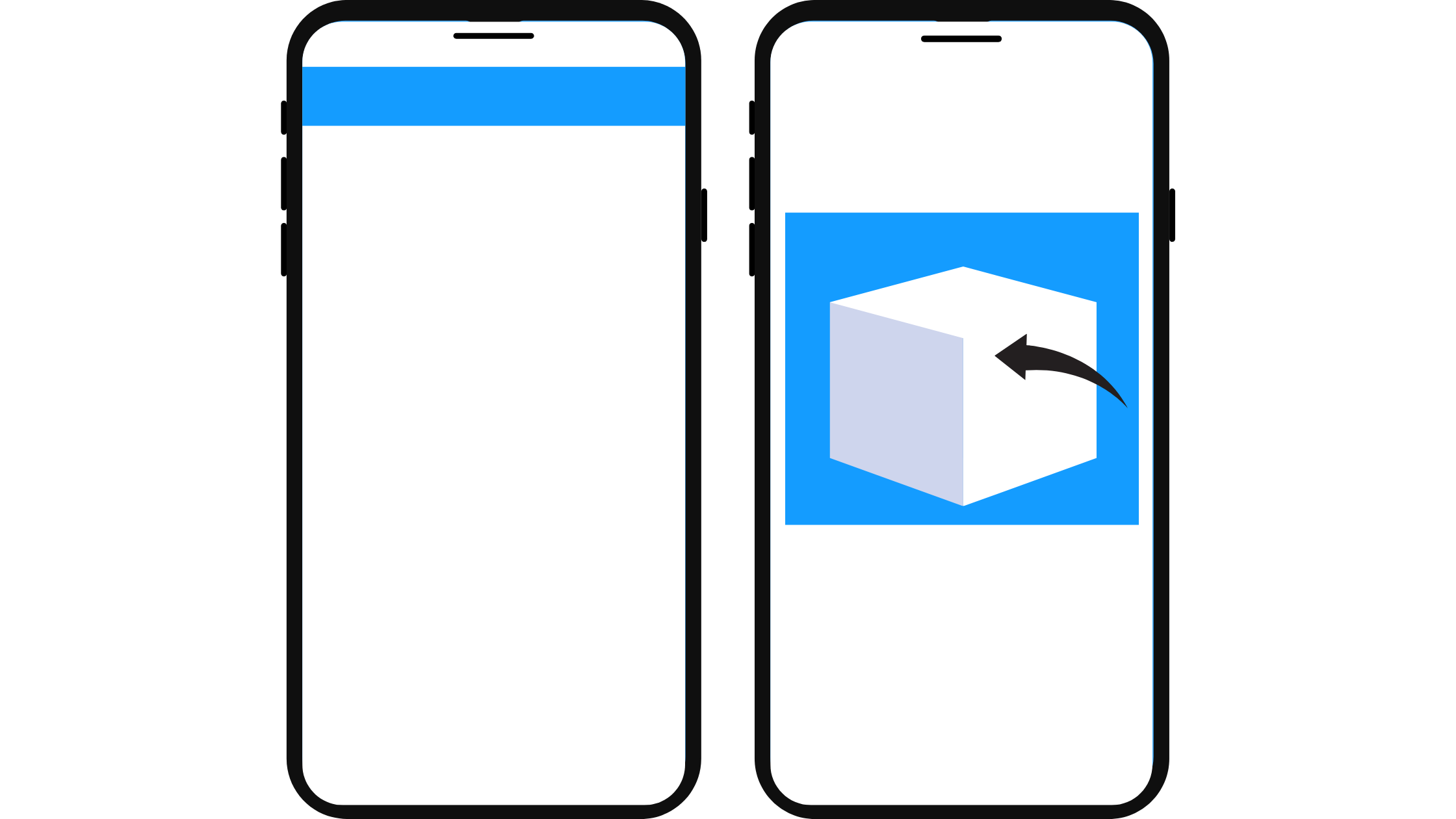
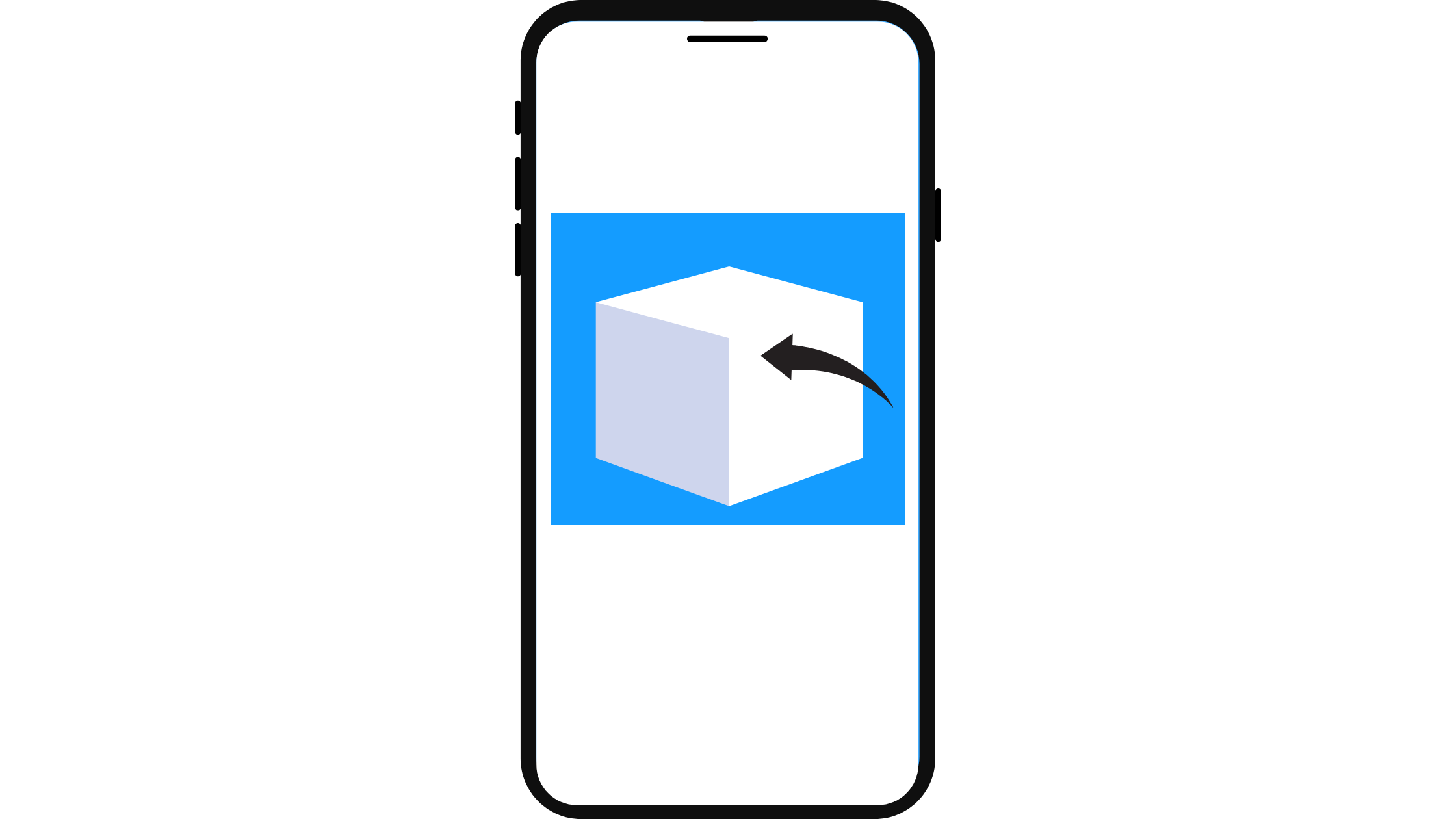
Swipe CubeRectangle 300×250 · 3–6 images · up to 2 videosAn ad users turn with a swipe; each swipe is a measurable signal
01Poster sites and store catchments were mapped and fenced, and phones passing the posters were captured as an exposed audience.
02That audience was reached again on mobile with interactive ads during the campaign.
03Store visits were counted for exposed and unexposed phones and the difference was calculated.
04Using two stores separated the advertising effect from normal traffic and local conditions.
What we learned
🏪The urban store has more baseline traffic and showed a smaller relative lift. The small-town store showed the bigger relative effect, with fewer competing shops nearby.
👥The audiences differ by location: 25–44 and work-oriented around the urban store, 45–64 and leisure-oriented around the small-town store. The gender split was balanced at both.
Terms used on this page
OOH
Out-of-home: advertising in public space, such as posters and billboards.
Footfall uplift
The extra store visits from people who saw the advertising, compared with people who did not.
Control group
A comparable group deliberately left unexposed, so the effect of the campaign can be isolated.
Is this your situation?
You run posters and want a measured store-visit effect per site, or you want to know who actually passes them before the next planning round.
The full case study names the client. Request it and our sales team sends the named version with the complete figures, the creatives and the media plan behind the result.
Retail banking case: from a station poster to a loan application
Geo-fenced mobile advertising and retargeting around Singapore transit hubs for a retail bank.
25×+Cheaper per resultCost per result compared with the campaign's own first days, reached within six weeks
Adello DSP
Read the caseClose
Background
The bank already had posters in the busiest train stations. We fenced those stations, so commuters who had walked past the poster also saw the ad on their phone.
The ads were interactive, which means every swipe told the system something about who was interested. Over six weeks the campaign was retuned four times on that data. By week six a result cost about a twenty-fifth of what it had cost in the opening days, so the same budget bought more than 25 times as many results.
Indexed against the campaign's own launch (= 100)
Cost per result — lower is better
At launch100
After six weeks of tuningbelow 4
Click-through rate — higher is better
Before the first tuning step100
After the first tuning step≈ 125
Benchmark basis: the campaign's own performance at launch. No outside benchmark was used.
The campaign in numbers
6weeks from launch to the 25× result
4tuning rounds
3ad sizes with built-in interaction tracking
Campaign setup
🏢Client
Retail bank, Singapore
🎯Goal
Awareness and applications for personal loans, online and in branches
👥Audience
Commuters in manual and service jobs, 30–55
📆Run time
6 weeks
🌍Market
Singapore · SGD
🧩Product
Adello DSP, managed service
How the audience was found
🖼️Proximity to the transit hubs carrying the bank's posters
👆Interaction signals coming out of the ads themselves
👥Lookalike modelling built from users who showed high intent
🔁A retargeting pool of everyone who had engaged with an ad
Ad formats used
Swipe CubeRectangle 300×250 · 3–6 images · up to 2 videosTurned by swiping; every swipe is recorded
Swipe banner320×50 and 728×90Compact units with the same interaction tracking
01The campaign launched tuned towards interactions rather than clicks; the click rate rose by about a quarter.
02Retargeting was switched on for everyone who had interacted, and the cost per lead started falling.
03The goal was changed to interaction and budget was moved to the segments that engaged most.
04The system settled on a high-intent profile, and the cost per result finished more than 25× better than at launch.
What we learned
👆Interaction data from the swipe formats fed the tuning directly. Each swipe is a measurable signal, so there was usable data from day one.
🔁The retargeting step produced the first clear drop in cost per lead.
🎯Commuters who had passed the posters converted online, so the physical placement seeded the digital audience.
Terms used on this page
Retargeting
Showing ads again to people who already engaged once.
Lookalike audience
A group built to resemble your best existing users.
Cost per result
What one lead, application or sign-up costs in media spend.
Is this your situation?
You have a conversion goal — an application, a lead, a sign-up — and physical touchpoints such as branches, posters or stations that can seed the audience.
The full case study names the client. Request it and our sales team sends the named version with the complete figures, the creatives and the media plan behind the result.
B2B fintech case: reaching decision-makers where they actually read
Premium-publisher mobile awareness campaign for a B2B fintech in Singapore.
1M+Decision-makers reachedUnique people reached from 5M+ impressions on international finance and news titles, at an average click rate above 0.9%
Adello DSP
Read the caseClose
Background
Business audiences are small and hard to buy. Instead of guessing at job titles, the campaign followed the reading: ads ran next to business-finance, banking and fintech content on established international publishers.
Over 5.5 million ads reached more than a million people. The full-screen format performed best, and almost a third of all clicks came at the weekend — which would have been lost on a weekday-only plan.
Click rate by format
Full-screen interstitial, the strongest unitabove 1.1%
Campaign average across all formatsabove 0.9%
5.5M+Ads delivered
1M+People reached
50k+Clicks
Benchmark basis: no outside click-rate benchmark exists for this segment, so the comparisons here are within the campaign, by format and by day. Delivery ran slightly above the booked volume at no extra cost.
Share of clicks at the weekend
≈ 30%of all clicks came on Saturday and Sunday
Saturday was the single strongest day of the campaign.
Campaign setup
🏢Client
B2B fintech, Singapore
🎯Goal
Build awareness among business decision-makers for cross-border payments
👥Audience
CEOs, CFOs, finance leads and owners of small and mid-sized companies
📆Run time
Single flight
🌍Market
Singapore · SGD
🧩Product
Adello DSP, managed service
How the audience was found
🏷️Keyword and audience targeting matched to people reading business-finance, banking and fintech content
📰Inventory limited to established international finance and news publishers
👥More weight given to the 35–54 age group once it proved the most engaged
Ad formats used
Interstitial320×480, full screenAppears between two screens; the best performer here
Half-page300×600A tall unit with high visibility in article pages
Rectangle300×250The standard in-article placement
Sizes shown are Adello's standard mobile units for these format names
01Formats were compared and the full-screen interstitial, at over 1.1%, was given more weight.
02The audience was narrowed towards 35–54, the group that matched the decision-maker profile and engaged most.
03The system kept refining placements across the flight and the click rate peaked in the second half.
04Scheduling followed the data: weekends delivered about 30% of all clicks, with Saturday the strongest day.
What we learned
📅Business audiences engage at the weekend. A weekday-only schedule would have cut close to a third of the clicks.
📊Established news and finance environments returned an average click rate above 0.9% for a business message, which is high for awareness advertising.
Terms used on this page
Interstitial
A full-screen ad shown between two pieces of content.
Premium publisher
An established, brand-safe media title rather than an open ad exchange.
Reach
The number of individual people who saw the campaign, not the number of ads shown.
Is this your situation?
You sell to business decision-makers and need brand-safe reach on quality media, with engagement data per format and per day.
The full case study names the client. Request it and our sales team sends the named version with the complete figures, the creatives and the media plan behind the result.
Digital banking case: an ad you could ask questions
Conversational AI ad unit for a Swiss banking app launching a pillar 3a retirement product.
2×Engagement vs static adsAround 20% of people engaged, and the ad earned twice the clicks of the brand's static campaigns
AI Agents + Adello DSP
Read the caseClose
Background
Retirement saving is a dry subject and a standard display ad has very little room to explain it. So the ad itself became the explanation: an AI assistant sat inside the ad unit and answered questions in real time, in the brand's own voice.
About one in five people who saw it engaged, twice the rate of the brand's static campaigns. The questions people asked also became research: price and comparison with competitors came up so often that both were built into the second version.
The AI ad against the brand's static campaigns
Engagement rate
Conversational AI ad≈ 20%
Same brand, static campaigns≈ 10%
Clicks, indexed
Conversational AI ad, click rate above 0.5%2×
Same brand, static campaigns1×
≈ 10kClicks
2Versions (2023, 2024)
Benchmark basis: the client's own conventional static mobile campaigns.
What people actually asked
💰Pricing📊How it compares with competitors🛡️Stayed in role under trick questions
Both topics were expanded in the 2024 version.
Campaign setup
🏢Client
Digital banking app, Switzerland
🎯Goal
Introduce a new pillar 3a retirement product to a digital-first audience
👥Audience
Digitally confident adults, Switzerland
📆Run time
Two versions, 2023 and 2024
🌍Market
Switzerland · CHF
🧩Product
AI agent by Lab51, delivered through the Adello DSP
How the audience was found
👥Digital-first audience segments in Switzerland
🛡️Brand-safety guardrails so the assistant answers only within the product scope
Ad formats used
Conversational ad unitCustom interactive rich mediaUsers type and the assistant answers inside the ad, with no landing page
01Briefing and alignment across the creative and development teams, with the tone set as expert with a light touch of humour.
02Product data was transferred and refined so the assistant answers as a financial expert in the brand's own style.
03The assistant was trained and then tested for brand safety, including deliberate attempts to push it out of role.
04The 2024 version expanded the two subjects people asked about most: pricing and comparison with competitors.
What we learned
💰The most frequent questions were about price and about how the product compares with alternatives. Both went into version two.
🛡️The assistant stayed in role under deliberate trick prompts and behaved consistently across the campaign.
✨People treated the ad as a conversation: around 20% engaged, twice the rate of static formats.
Terms used on this page
Engagement rate
The share of people who did something with the ad rather than scrolling past.
Brand safety
Controls that keep advertising in appropriate contexts, and here also keep the assistant on message.
AI agent
A system that holds a conversation and answers within limits you define.
Is this your situation?
You are launching something that needs explaining — finance, insurance, tariffs, healthcare — and static creative is capping your engagement.
The full case study names the client. Request it and our sales team sends the named version with the complete figures, the creatives and the media plan behind the result.
Carrier and neighbourhood targeting tuned to what happens after the click, for a Swiss low-cost mobile brand.
≈ 1.9×More qualified visits per clickAbove 60% of clicks became a real session against a benchmark of about 32%; page loads per click ran above 80% against about 50%
Adello DSP
Read the caseClose
Background
A click is only worth something if the person actually lands on your page and stays. On the brand's previous setup, every second click never turned into a loaded page at all.
We built the audience from three things: which mobile network someone is on, which postcode they live in, and how close they are to a shop. Then the system was tuned on what happened after the click rather than on the click itself. Page loads went above 80% and qualified sessions roughly doubled.
After-the-click rates against the previous setup
Page loads per click
Adello DSP, tuned on after-click behaviourabove 80%
Non-optimised benchmark≈ 50%
Qualified sessions per click
Adello DSP, tuned on after-click behaviourabove 60%
Non-optimised benchmark≈ 32%
Benchmark basis: the after-click rates of a non-optimised setup that buys on clicks alone. The session-rate gain over that benchmark was 88%.
Clicks lost before the page even loaded
under 1 in 5tuned on after-click behaviour (over 80% loaded)
1 in 2on the previous setup (about 50% loaded)
≈ 1.9×qualified sessions per click
Campaign setup
🏢Client
Telecommunications provider, Switzerland; low-cost mobile brand
🎯Goal
Win price-sensitive subscribers and stop paying for clicks that go nowhere
👥Audience
Price-sensitive mobile users, Switzerland
📆Run time
Continuous
🌍Market
Switzerland · CHF
🧩Product
Adello DSP, managed service, tuned in real time on after-click metrics
How the audience was found
📶Mobile network targeting: including and excluding carriers whose customers skew price-sensitive
📍Neighbourhood targeting of lower-income postcodes
🏪Closeness to the brand's own points of sale
Ad formats used
Mobile displayBanner and rectangle unitsStandard mobile placements
01The audience was built from three signals: mobile network, postcode income level and distance to a point of sale.
02The optimisation target was moved off the click and onto what happens after it: page loads and real sessions.
03Bidding shifted budget in real time towards the placements and people that produced loaded pages and real sessions.
04Delivery was checked against the client's previous benchmarks throughout.
What we learned
👆Above 80% page loads means fewer than one in five clicks was lost before the page appeared. On the previous setup every second click was lost.
📊Tuning on sessions rather than clicks roughly doubled the qualified traffic bought with the same click volume.
Terms used on this page
Landing rate
The share of clicks where the page actually finished loading.
Session
A visit where the person stayed and did something, not just a click.
MNO / MVNO
The mobile network someone is on. An MVNO rents capacity from a larger operator.
Is this your situation?
Your real goal sits after the click — sessions, sign-ups, orders — and your current setup is being paid for clicks.
The full case study names the client. Request it and our sales team sends the named version with the complete figures, the creatives and the media plan behind the result.
Telecom case: a survey inside the ad, with no landing page
In-ad survey used to find and qualify high-value customers on competitor networks in Malaysia.
≈ 750kPeople reachedAbout 4% answered a question, about 0.3% completed the whole survey inside the ad
Adello DSP · Interactive ads
Read the caseClose
Background
The operator wanted the high-spending customers of its rivals — a group nobody can buy off a shelf. So it was assembled from three things anyone's phone reveals: being at an airport, using mobile data rather than Wi-Fi, and being on a competitor's network.
The questions were then put inside the ad itself. No landing page, no login, no form to open. Around 30,000 people answered something, and about 2,000 completed the full survey and could be matched to a tariff — a first-party list the operator now owns.
From reach to a qualified profile
People reached≈ 750k · 100%
Answered at least one question in the ad≈ 30k · ≈ 4%
Completed the survey and were matched≈ 2k · ≈ 0.3%
Benchmark basis: none. The funnel is reported in absolute figures and the bars are drawn to scale.
Three signals stood in for high value
✈️At an airport: international travellers📱On mobile data, Wi-Fi excluded📶On a competitor network, own customers excluded
All three had to match. No cookies and no logins were involved.
Campaign setup
🏢Client
Mobile network operator, Malaysia
🎯Goal
Find high-spending customers of rival operators and match them to the right tariff
👥Audience
High-value mobile users on competitor networks
📆Run time
Single flight
🌍Market
Malaysia · MYR
🧩Product
Adello DSP with interactive rich media
How the audience was found
✈️International travellers, identified through airport fences in Adello's own location database
📱Connection type: mobile data with Wi-Fi excluded, which confirms an active mobile plan
📶Network targeting that excludes the operator's own subscribers
Ad formats used
In-creative surveyCustom interactive rich mediaMulti-step questions answered inside the ad, with no landing page
01High value was defined by three observable criteria, and ads were shown only to phones that met all three.
02The survey was built into the ad, which removed the landing-page step and the drop-off that comes with it.
03Questions were ordered so that each answer narrowed down the right product.
04Completed profiles were handed over for tariff matching and follow-up.
What we learned
👆About 4% of the people reached answered at least one question without ever leaving the ad.
🎯Being at an airport with an active data connection worked as a practical stand-in for high spend, with no cookies or logins involved.
👥The 2,000 completed profiles are a first-party dataset the operator can keep using.
Terms used on this page
ARPU
Average revenue per user: what a customer is worth to an operator each month.
In-creative survey
Questions answered inside the ad itself, with no page to visit.
De-targeting
Deliberately excluding a group, here the operator's own customers.
Is this your situation?
You need first-party answers from your competitors' customers, or a cookieless way to segment people by what they actually do.
The full case study names the client. Request it and our sales team sends the named version with the complete figures, the creatives and the media plan behind the result.
Switzerland, German and French regions · Nov–Dec 2024
Entertainment case: booked video by video, not channel by channel
PXLSTRM contextual video targeting for a Swiss cinema release, tuned for completed views.
+35%More completed viewsView-through rate against the client's own previous video benchmark
PXLSTRM
Read the caseClose
Background
Most video buying picks channels. A film trailer needs something finer, because the right viewer might be watching a musical review, a cast interview or a pop track.
PXLSTRM reads what is actually inside a video — the dialogue, the objects, the scenes — and builds a list of individual videos that fit the rules. The campaign then bought only against those videos. People watched the trailer through to the end more than 35% more often than on the client's previous video campaigns.
Completed views, indexed to the previous benchmark (= 100)
PXLSTRM, matched video by videoindex 135+
Client's previous video campaignsindex 100
Benchmark basis: the client's own previous video campaign benchmark.
The campaign in numbers
1,000sindividual videos matched by keyword rules
2language regions running in parallel
≈ 3weeks around the release
Campaign setup
🏢Client
Film studio, Swiss cinema release
🎯Goal
Get as many people as possible to watch the trailer to the end
👥Audience
Genre fans, followers of the cast and the soundtrack artists, pop-music listeners
📆Run time
About three weeks around the release, Nov–Dec 2024
🌍Market
German- and French-speaking Switzerland · CHF
🧩Product
PXLSTRM contextual video targeting
How the audience was found
🏷️Detailed include and exclude keyword sets for each audience group
🎬A system-generated list of thousands of individual videos matching those rules
🎯Media booked only against the matched videos
Ad formats used
In-stream video1 video file, mp4 or mov, up to 30 seconds, with soundPlays before or during another video
Contextual matchVideo-level, not channel-levelEach individual video is assessed against the rules before it is bought
01Each audience was written as keyword rules: what a matching video must contain and what disqualifies it.
02PXLSTRM analysed video content at scale and produced a candidate list of thousands of videos.
03Exclusion rules removed off-brand and irrelevant videos before anything was booked.
04Buys were placed on the matched videos only and tuned towards completed views.
What we learned
🎬Matching at the level of individual videos, in the thousands, is what produced the gain. Relevance was decided per video rather than per channel.
🌍Two language regions, German- and French-speaking Switzerland, ran in parallel with their own rules.
🛡️The targeting used what is inside the video, so no cookie-based audience data was needed.
Terms used on this page
VTR
View-through rate: the share of people who watched the video ad to the end.
Contextual targeting
Matching ads to the content on screen instead of to a profile of the viewer.
Include / exclude rules
What a video must contain to qualify, and what rules it out.
Is this your situation?
Your video goal is completed views and your audience is defined by interests that age, gender and channel targeting keep missing.
The full case study names the client. Request it and our sales team sends the named version with the complete figures, the creatives and the media plan behind the result.
FMCG case: the offer stayed on the phone after the campaign
Video Swipe Cube plus a mobile wallet pass for a Swiss packaged food brand, with no app to build.
55%Clicks became a saved offer15k+ passes saved from 28k+ clicks, with six offer updates pushed during the campaign
Adello DSP · Engage Pass
Read the caseClose
Background
Most advertising stops the moment the budget does. Here the ad ended with one tap that saved an offer into the phone's own wallet — the same place people keep boarding passes and tickets. No app to download and no account to create.
More than half of everyone who clicked saved the pass. The brand could then change the offer six times during the campaign, and the new version simply appeared on the phone.
From ad shown to saved offer
Ads shown2.7M · 100%
Clicks (click rate ≈ 1%)28k+ · ≈ 1%
Offers saved to the phone wallet15k+ · ≈ 0.6%
Benchmark basis: none. The save rate is reported as a share of clicks and the bars are drawn to scale.
Clicks that ended in a saved offer
55%of everyone who clicked saved the pass
Six offer updates were pushed to saved passes during the campaign.
Campaign setup
🏢Client
Packaged food brand, Switzerland
🎯Goal
Stay in contact with shoppers over time and location, without building an app
👥Audience
Shoppers in Switzerland
📆Run time
Single flight
🌍Market
Switzerland · CHF
🧩Product
Adello DSP with Engage Pass
How the audience was found
👥Audience targeting in Switzerland
⏰Offers on the saved pass adjusted by time and location after it was saved
Ad formats used
Video Swipe CubeRectangle 300×250 · 3–6 images · up to 2 videosTurned by swiping, with video on one of the sides
Engage PassMobile wallet passSaved in one tap; the offer can be changed afterwards
01The Video Swipe Cube held attention and carried the invitation to save the offer.
02One tap added the pass to the phone's wallet, with no app download and no account.
03Six updates during the campaign pushed new offers to everyone who had saved it, adjusted by time and location.
What we learned
🎟️More than half of all clicks ended in a saved pass, which gave the brand a channel it could keep updating for the rest of the campaign.
📊The save rate was strong enough that the brand kept a mobile-first budget for the product line.
Terms used on this page
Wallet pass
A coupon or ticket saved in the phone's own wallet app, which the brand can update later.
Swipe Cube
An ad the user turns by swiping, with a different message on each side.
CTR
Click-through rate: the share of ads shown that got clicked.
Is this your situation?
You want a lasting, app-free presence on the customer's phone for promotions, coupons or events, and the option to change the offer after it is saved.
The full case study names the client. Request it and our sales team sends the named version with the complete figures, the creatives and the media plan behind the result.
Requesting a case study is how you learn who the client was. The cases above are anonymised public summaries. The full version names the client and comes with the complete figures, the creatives and the media plan behind the result.
* All cases on this page are anonymised. Clients are described by industry instead of by name, and the numbers are shifted slightly so that no client can be identified from them. No shift changes the result: the direction and the size of every outcome are as measured. Our sales team can name the client on request, together with the full case study.
We value your privacy
We use cookies to improve your experience and analyse site traffic. You can learn more on our Privacy Policy page or opt out at any time. Cookie SettingsAccept All
Manage consent
Privacy Overview
This website uses cookies to improve your experience while you navigate through the website. Out of these, the cookies that are categorized as necessary are stored on your browser as they are essential for the working of basic functionalities of the website. We also use third-party cookies that help us analyze and understand how you use this website. These cookies will be stored in your browser only with your consent. You also have the option to opt-out of these cookies. But opting out of some of these cookies may affect your browsing experience.
Necessary cookies are absolutely essential for the website to function properly. These cookies ensure basic functionalities and security features of the website, anonymously.
Cookie
Duration
Description
cookielawinfo-checkbox-analytics
11 months
This cookie is set by GDPR Cookie Consent plugin. The cookie is used to store the user consent for the cookies in the category "Analytics".
cookielawinfo-checkbox-functional
11 months
The cookie is set by GDPR cookie consent to record the user consent for the cookies in the category "Functional".
cookielawinfo-checkbox-necessary
11 months
This cookie is set by GDPR Cookie Consent plugin. The cookies is used to store the user consent for the cookies in the category "Necessary".
cookielawinfo-checkbox-others
11 months
This cookie is set by GDPR Cookie Consent plugin. The cookie is used to store the user consent for the cookies in the category "Other.
cookielawinfo-checkbox-performance
11 months
This cookie is set by GDPR Cookie Consent plugin. The cookie is used to store the user consent for the cookies in the category "Performance".
viewed_cookie_policy
11 months
The cookie is set by the GDPR Cookie Consent plugin and is used to store whether or not user has consented to the use of cookies. It does not store any personal data.
Functional cookies help to perform certain functionalities like sharing the content of the website on social media platforms, collect feedbacks, and other third-party features.
Performance cookies are used to understand and analyze the key performance indexes of the website which helps in delivering a better user experience for the visitors.
Analytical cookies are used to understand how visitors interact with the website. These cookies help provide information on metrics the number of visitors, bounce rate, traffic source, etc.
Advertisement cookies are used to provide visitors with relevant ads and marketing campaigns. These cookies track visitors across websites and collect information to provide customized ads.